Universal Line Icons Collection for Web: A Practical Choice for Modern UI and Infographic Design
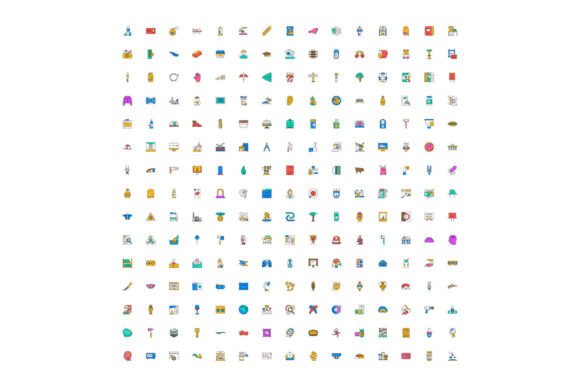
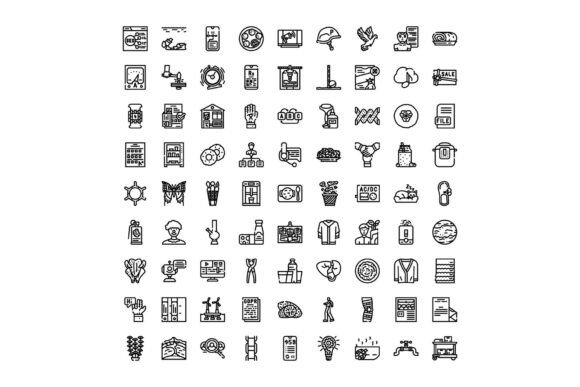
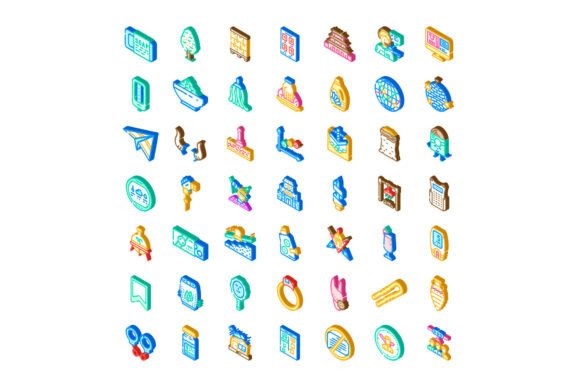
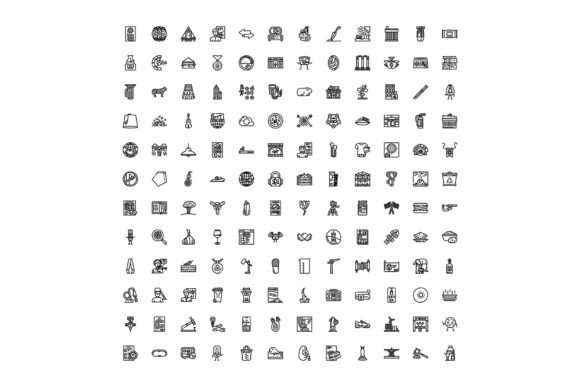
When building digital interfaces or crafting data-driven visuals, the right icon set can significantly impact both aesthetics and usability. The Universal Line Icons Collection for Web stands out as a versatile, thoughtfully designed resource for developers and designers alike. This collection offers a wide range of line art icons that represent everyday objects, abstract concepts, and common activities, making it a go-to option for user interface (UI) components and infographic elements.
What Sets Universal Line Icons Apart?
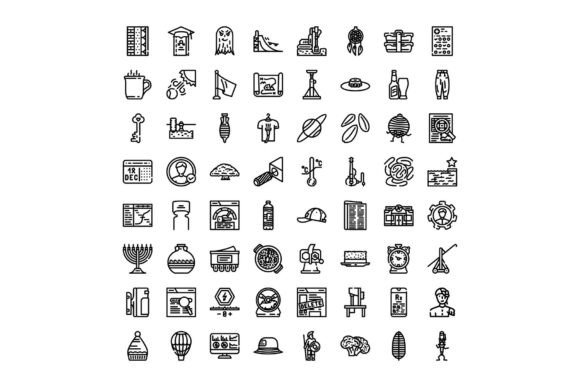
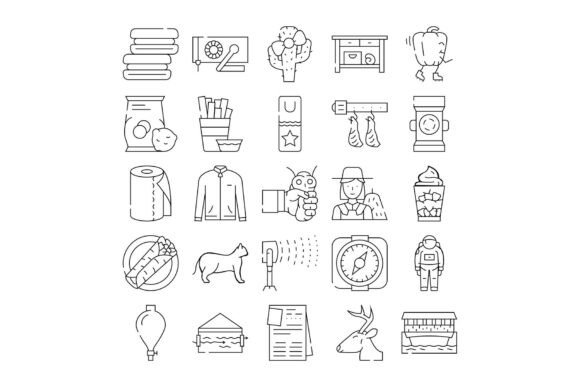
At its core, the Universal Line Icons Collection for Web is designed with clarity and consistency in mind. Each icon is crafted using clean, minimal strokes that maintain visual harmony across the entire set. Unlike more stylized or bold icon libraries, these line icons offer a neutral, adaptable appearance that integrates smoothly into a variety of design systems.
One of the key strengths of this collection is its breadth. It covers a broad spectrum of categories—from technology and communication to health, education, and environment—allowing designers to find relevant visuals without needing to mix multiple icon sets. This uniformity helps maintain a cohesive look across websites, apps, dashboards, and presentations.
Comparing Line Icon Styles and Formats
Line icons come in many forms, and the choice often depends on the project’s goals and the designer’s preferences. The Universal Line Icons Collection for Web uses a single-line stroke approach, which contrasts with solid-style icons or more detailed glyph sets. This style is particularly well-suited to minimalist and modern design trends where clarity and simplicity are prioritized.
Compared to icon sets that include multiple weights or color variations, line icons may appear less expressive at first glance. However, their simplicity often translates into better scalability and adaptability across screen sizes and resolutions. This makes them especially effective for responsive web design and mobile interfaces where visual clarity is crucial.
Scalability and Performance Considerations
Icons built with vector formats, such as SVG, are generally more scalable without loss of quality. The Universal Line Icons Collection for Web typically includes SVG versions, which are ideal for high-resolution displays and smooth rendering at any size. Additionally, SVG icons can be manipulated with CSS and JavaScript, enabling interactive effects without increasing page load times.
For developers concerned about performance, this collection is often lighter in file size compared to icon libraries that include multiple styles or complex graphics. This lightweight nature contributes to faster load times and smoother user experiences, especially on mobile devices or in applications with limited bandwidth.
Use Cases Where Universal Line Icons Excel
There are specific scenarios where the Universal Line Icons Collection for Web shines brightest. For example, in dashboard design, these icons provide clear visual cues without overwhelming the interface. They are also effective in navigation menus, toolbars, and infographics where visual simplicity supports quick comprehension.
- UI design: Ideal for buttons, tabs, and menu items that need to remain unobtrusive yet recognizable.
- Infographics: Their clean lines help illustrate concepts without distracting from data or textual content.
- Mobile apps: The minimalist style ensures icons remain legible on smaller screens.
- Web forms: Helps guide users through steps or indicate actions clearly.
When to Consider Alternatives
While the Universal Line Icons Collection for Web is a strong option, it may not be the best fit for every project. In cases where a more expressive or visually rich interface is desired, designers might lean toward icon sets that include multiple weights, color variations, or even animated icons. These alternatives can offer greater visual impact, especially in branding or marketing-focused applications.
Additionally, for highly specialized industries or niche use cases—such as medical illustrations or industrial schematics—custom icon creation or industry-specific icon libraries may be more appropriate. The key is to match the icon style with the tone and function of the project.
Design Integration and Customization
Designers and developers appreciate the ease with which the Universal Line Icons Collection for Web can be integrated into existing projects. Most versions of the collection come with web fonts or SVG files that can be embedded directly into HTML or CSS. This flexibility allows for easy customization of size, color, and stroke thickness without compromising quality.
Moreover, because the icons are built with consistent proportions and stroke widths, they can be combined with other design elements without looking disjointed. This makes them a solid foundation for design systems that require scalability and long-term maintainability.
Accessibility and Visual Clarity
Icon accessibility is often overlooked but is crucial for inclusive design. The Universal Line Icons Collection for Web supports accessibility best practices by offering icons that are simple enough to be recognizable at small sizes and in low-contrast environments. When used alongside text labels or ARIA attributes, these icons help ensure that interface elements are accessible to users with visual impairments.
However, it’s important to remember that icons alone may not always convey meaning clearly to all users. Designers should consider combining them with descriptive text or tooltips, especially in complex interfaces or international applications where cultural interpretations of symbols can vary.
Cost and Licensing Considerations
Many icon libraries come with licensing restrictions or require subscription fees, which can be a limiting factor for some projects. The Universal Line Icons Collection for Web often offers a more straightforward licensing model, with many versions available for free or under permissive licenses like MIT or Creative Commons. This makes it an attractive option for startups, open-source projects, and freelance designers who need reliable assets without ongoing costs.
Still, it’s important to review the specific license terms before use, especially for commercial applications. Some versions may require attribution or restrict modification, so understanding the fine print helps avoid legal complications down the line.
Final Thoughts: Is Universal Line Icons Right for You?
The Universal Line Icons Collection for Web is a well-rounded choice for designers and developers seeking a clean, consistent, and scalable icon set. Its minimalist aesthetic aligns well with modern design trends, and its broad coverage makes it suitable for a wide range of applications. Whether you're building a sleek dashboard, designing a mobile app, or crafting an informative infographic, this collection offers a practical and accessible solution.
Ultimately, the decision comes down to your project’s needs. If you value simplicity, scalability, and ease of integration, this icon set is likely a strong fit. However, if your design calls for bold visuals, intricate details, or specialized iconography, exploring alternative options may be necessary. By understanding both the strengths and limitations of available resources, you can make a more informed decision that enhances both the user experience and the visual integrity of your work.