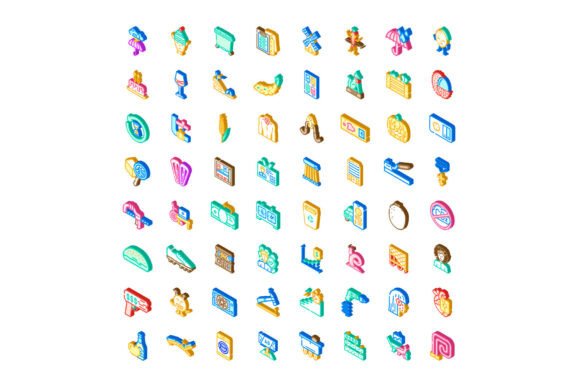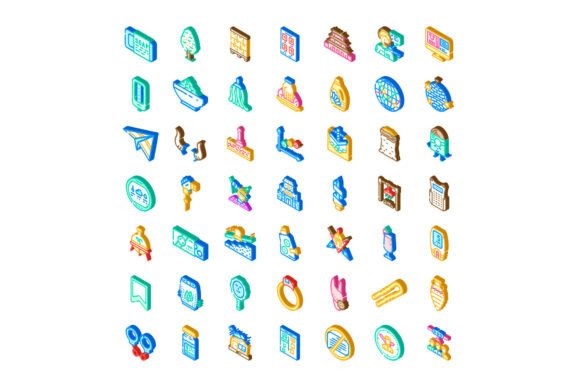
Isometric Pictogram Collection: A Practical Resource for Modern Design Projects
Designers working across digital platforms often face the challenge of conveying complex ideas quickly and clearly. The Isometric Pictogram Collection addresses this need by offering a set of stylized, three-dimensional icons that communicate objects, actions, and abstract ideas with visual clarity. Whether used in web interfaces, mobile applications, or data visualizations, these pictograms provide a consistent and scalable visual language that supports intuitive user experiences.
Understanding the Core Features
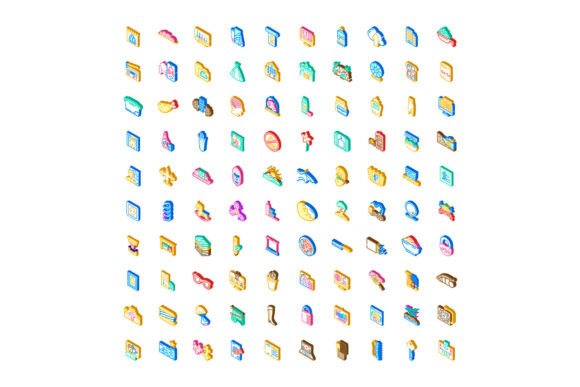
The Isometric Pictogram Collection is built around a distinct visual style: each icon uses an isometric projection, giving it a subtle three-dimensional appearance without the complexity of full perspective drawing. This approach allows for a cohesive look across a wide range of subjects, from everyday objects to conceptual metaphors like collaboration, growth, or security.
Key features include:
- A comprehensive library covering common UI elements, business themes, and lifestyle topics
- Consistent line weight, color compatibility, and scalable vector formats
- Designed for adaptability across light and dark interface themes
- Modular structure that supports easy customization and integration
Practical Use Cases Across Industries
This collection serves a broad audience, from freelance designers to enterprise UX teams. For instance, a SaaS startup may use these pictograms to illustrate feature pages or onboarding flows. A content marketer could incorporate them into infographics or presentation decks to enhance visual storytelling. Educators and course creators may find them helpful for e-learning platforms where simplified visuals improve comprehension.
One of the more compelling applications is in dashboard design. When visualizing metrics or system states, a well-designed pictogram can replace lengthy explanations with instantly recognizable symbols. For example, a cloud storage platform might use an isometric server icon to represent backend infrastructure, making technical concepts more approachable for non-technical users.
Design Quality and Technical Execution
From a technical standpoint, the pictograms are well-crafted. Each icon maintains a uniform visual rhythm, using 30-degree angles and consistent stroke widths that align cleanly at screen resolutions. The vector format ensures sharp rendering at any scale, and the simplicity of the shapes makes them easy to modify or recolor without losing integrity.
Designers will appreciate the attention to detail in areas like negative space management and visual balance. These pictograms don't rely on excessive detail, which helps maintain clarity even at smaller sizes. However, users working with highly specialized domains—such as medical or engineering fields—may find gaps in coverage and need to supplement with custom illustrations.
Integration and Workflow Considerations
Integrating the Isometric Pictogram Collection into a project is straightforward. Most sets are delivered in SVG and PNG formats, with some offering Sketch or Figma files for design teams. SVG files are particularly useful for web use, allowing for CSS manipulation and responsive scaling without loss of quality.
For developers, the consistent structure of these pictograms simplifies automation workflows. Icons can be batch-optimized, and their modular design supports variations like disabled states or hover effects. Teams using design systems will benefit from the uniformity, which helps maintain visual coherence across applications and marketing materials.
Who Benefits Most from This Collection?
Professionals who frequently design interfaces or data-driven content will find the most value. This includes:
- UI/UX designers building scalable design systems
- Product managers illustrating feature documentation
- Content creators enhancing blog posts or reports with visual summaries
- Business analysts crafting presentations for stakeholders
Freelancers and agencies may also appreciate the efficiency gains—having a reliable icon set reduces the time spent sourcing or creating visuals from scratch. That said, users with highly niche requirements or those seeking photorealistic visuals may need to look elsewhere or combine this collection with more specialized assets.
Long-Term Value and Maintenance
One of the underappreciated aspects of design assets is their longevity. The Isometric Pictogram Collection holds up well over time due to its minimalist aesthetic and functional design. Unlike trend-driven styles that quickly feel outdated, these pictograms maintain relevance through simplicity and adaptability.
Updates are typically additive rather than structural, which minimizes disruption to existing projects. However, users should check licensing terms to ensure they can continue using the icons in evolving products or commercial applications. Most reputable providers offer clear, business-friendly licenses, but it's always worth confirming before deployment.
Real-World Performance and Limitations
In practice, these pictograms perform best when used to support clear information hierarchy. They work well in dashboards, landing pages, and mobile UIs where visual clarity is essential. However, overuse or inconsistent application can lead to visual clutter. Designers should establish clear guidelines for icon usage, including sizing, spacing, and interaction states.
While the collection covers a broad range of common themes, it may not fully meet the needs of highly specialized industries. In such cases, teams may need to commission custom pictograms that match the existing style. This is a manageable extension for experienced illustrators but could introduce complexity for smaller teams without in-house design resources.
Final Considerations for Prospective Users
The Isometric Pictogram Collection offers a solid foundation for modern design work. Its strength lies in the balance between visual appeal and functional clarity. For teams seeking a consistent, professional icon system that scales well across platforms, this collection represents a valuable resource. While not universally perfect for every project, it delivers strong utility for most common digital design scenarios.
Before adopting it for a long-term project, evaluate the breadth of coverage, test icons in your intended interface context, and confirm licensing compatibility. When used thoughtfully, these pictograms can enhance both the usability and aesthetic quality of your digital products and content.