Vector Swatch Green Gradient Palette: A Versatile Design Resource for Modern Creatives
Understanding the Vector Swatch Green Gradient Palette
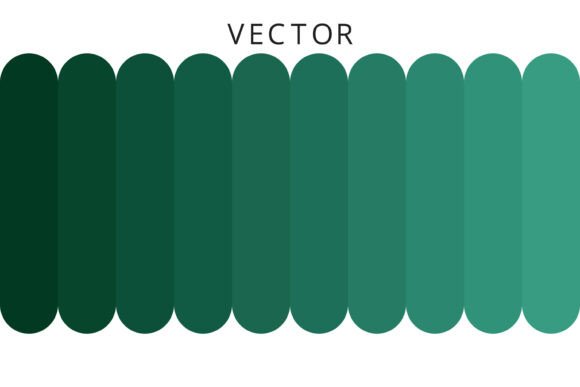
The Vector Swatch Green Gradient Palette is a curated collection of green tones designed for seamless integration into digital and print design projects. It typically includes gradients that transition from deep emerald to soft mint, incorporating teal, forest tones, and seafoam shades. These swatches are often delivered in vector format, allowing for scalable use across various design platforms without loss of quality.
Graphic designers, illustrators, and web developers use this palette to create cohesive visual elements such as backgrounds, abstract shapes, and branding materials. It's especially popular in minimalist and eco-friendly design contexts, where organic shades and smooth transitions are valued for their calming and natural aesthetic.
Why Designers Are Interested in the Green Gradient Palette
Interest in the Vector Swatch Green Gradient Palette has grown due to its alignment with current design trends. As sustainability and nature-inspired themes gain traction, designers seek color tools that reflect these values. The palette’s lush greenery and botanical colors provide a fresh, modern look that resonates with audiences looking for authenticity and environmental consciousness.
- Visual harmony: The smooth blend of jade tones and olive shades creates a balanced spectrum flow.
- Brand alignment: Eco-conscious brands use green gradients to reflect their values visually.
- Digital adaptability: Vector format ensures compatibility with tools like Adobe Illustrator, Figma, and Sketch.
Additionally, the palette supports a wide range of applications, from web design to print assets, making it a versatile choice for multi-platform projects.
Benefits and Tradeoffs of Using the Green Gradient Palette
One of the primary benefits of using a green gradient palette is its ability to evoke calmness and sophistication. The combination of dark green, mint vibes, and turquoise hues offers a modern yet organic feel that enhances user experience in web and app design. In print, it can elevate branding materials with a professional and polished look.
However, there are tradeoffs to consider:
- Color accessibility: Some green gradients may not provide sufficient contrast for text or icons, especially in low-light settings.
- Overuse: Trendy layouts often rely on green gradients, which may lead to visual fatigue or a lack of distinctiveness in crowded markets.
- Context sensitivity: While ideal for nature and wellness themes, this palette may not suit more formal or industrial design contexts without careful adaptation.
Designers should also evaluate how well the palette integrates with other elements like typography, geometric patterns, or metallic accents such as neon glow or soft metallic green.
When the Vector Swatch Green Gradient Palette Is a Strong Fit
The Vector Swatch Green Gradient Palette shines in specific design scenarios where its aesthetic and functional strengths can be fully utilized:
- Eco-friendly branding: Brands focused on sustainability, organic products, or wellness benefit from the palette’s natural tones and fresh look.
- Minimalist web design: Clean, modern websites often use green gradients to create engaging hero sections or background elements without overwhelming the layout.
- Illustration kits and digital assets: Designers building UI kits, presentation assets, or abstract backgrounds find the palette enhances visual storytelling and user engagement.
- Jungle or botanical themes: For projects centered around nature, such as botanical illustrations or jungle-inspired branding, this palette offers a cohesive and immersive color scheme.
In these cases, the palette not only supports visual consistency but also reinforces thematic messaging and emotional resonance with the audience.
When Alternatives May Be Worth Considering
While the green gradient palette is versatile, it may not always be the best choice. Designers should consider alternatives in the following situations:
- High-contrast environments: If the design must be legible in low-light or high-glare conditions, a palette with more neutral or high-contrast tones may be preferable.
- Formal or corporate design: Industries such as finance or legal services may find green gradients too informal or playful for their brand identity.
- Monochromatic or flat design needs: Some minimalist projects may benefit more from a flat design approach using a single green tone rather than gradients.
- International audiences: Color perception varies across cultures. In some regions, green may not carry the same positive associations, making it less effective for global campaigns.
In such cases, exploring other professional swatches or color theory-based palettes can provide a more appropriate visual foundation.
Key Considerations When Evaluating the Palette
Before incorporating the Vector Swatch Green Gradient Palette into a project, designers should assess several key factors to ensure it aligns with both aesthetic and functional goals:
- Project tone: Does the design aim to feel modern, organic, or eco-conscious? If so, the palette may be a strong fit.
- Technical compatibility: Confirm that the vector swatch format is supported by the design tools being used and that gradients render consistently across platforms.
- Accessibility compliance: Test the palette for WCAG compliance, especially if used for UI elements or text backgrounds.
- Target audience: Consider the demographics and cultural associations of the audience to ensure the color choices are well-received.
- Longevity: Will the palette remain relevant beyond current design trends? If the project needs to stay visually consistent for years, a more neutral or timeless palette may be better.
These considerations help ensure the palette enhances rather than limits the design outcome.
Conclusion: Is the Vector Swatch Green Gradient Palette Right for Your Project?
The Vector Swatch Green Gradient Palette offers a compelling combination of aesthetic appeal and functional flexibility. Its lush greenery, smooth transitions, and adaptability across design mediums make it a valuable asset for modern creatives. However, its effectiveness depends on the specific context, audience, and goals of the project.
If your design aims to convey freshness, sustainability, or a connection to nature, this palette can provide a strong visual foundation. On the other hand, if your project requires high contrast, formal aesthetics, or broad cultural neutrality, exploring alternative palettes may be more appropriate.
Ultimately, the decision should be guided by both creative vision and practical considerations. By evaluating the palette against your design needs, you can determine whether it aligns with your objectives and enhances the overall user experience.