Strategic Use of Various Everyday Objects and Conceptual Glyph Icons in Modern Design
Design is more than aesthetics—it's about communication, clarity, and connection. In a digital-first world, the right visual language can make or break user engagement, brand recognition, and message retention. One powerful yet often underutilized tool in this visual vocabulary is the Various Everyday Objects and Conceptual collection of black glyph icons. These icons distill complex ideas, common items, and abstract themes into clean, recognizable visuals that support a wide range of design and communication goals.
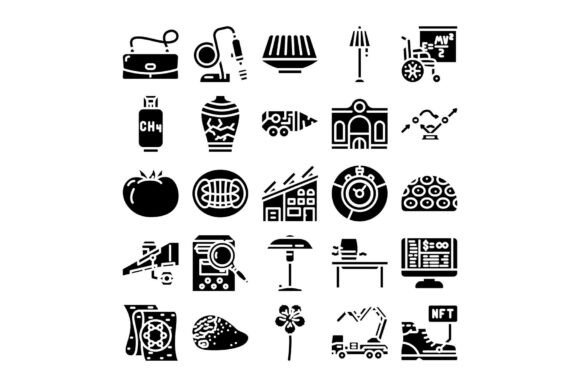
At its core, Various Everyday Objects and Conceptual is a curated set of symbolic icons representing both tangible and intangible elements—from household items and tools to abstract notions like innovation, trust, and connectivity. Designed for clarity and consistency, these icons serve as a universal visual shorthand across web, app, graphic design, and infographic contexts. Their minimalist black glyph format ensures adaptability, making them suitable for both high-contrast interfaces and subtle background integrations.
Why Strategic Use of Icon Sets Matters
Icons are not decorative flourishes; they're functional elements that shape user experience and information hierarchy. When used thoughtfully, the Various Everyday Objects and Conceptual icon set can enhance navigation, reinforce brand identity, and simplify complex data. But like any design asset, their value lies in how they're applied—not just their availability.
Consider the role of icons in a mobile app: they guide users, reduce cognitive load, and support intuitive interaction. A well-placed icon from the Various Everyday Objects and Conceptual collection can replace a paragraph of text with a single glanceable symbol. For example, a wrench icon can represent settings, a lightbulb can signal ideas or insights, and a globe might denote global reach or international settings.
Supporting Business and Creative Goals with Visual Consistency
Visual consistency is key to professional design, and the Various Everyday Objects and Conceptual set offers a unified style that supports long-term brand integrity. Whether you're designing a SaaS dashboard, a blog infographic, or a print brochure, using a consistent visual language across platforms builds familiarity and trust.
- Branding: Use conceptual icons to reflect company values—like collaboration, innovation, or security—without relying solely on text.
- Operations: Internal tools and dashboards benefit from clear visual cues that speed up decision-making and reduce training time.
- Customer Experience: E-commerce sites can use object-based icons to clarify features, shipping options, or product attributes at a glance.
When to Use Various Everyday Objects and Conceptual Icons
The versatility of the Various Everyday Objects and Conceptual collection makes it suitable for a wide range of use cases, but timing and context are crucial. Consider these scenarios where these icons can make the most strategic impact:
- Onboarding new users: Visual guides with icons help users understand features without overwhelming them with text.
- Infographics and reports: Icons add visual interest and help segment data into digestible sections.
- Mobile interfaces: Space is limited, so concise, recognizable icons improve usability.
- Educational materials: Conceptual icons can illustrate ideas like growth, risk, or strategy in learning modules or presentations.
Planning and Positioning for Maximum Impact
Before integrating Various Everyday Objects and Conceptual icons into your project, define your goals and audience. Ask: What message are you trying to convey? Who is viewing this content? How will the icon support understanding or action?
Here are a few strategic planning tips:
- Align with brand tone: Choose icons that reflect your brand’s personality—modern, playful, professional, or minimalist.
- Test for clarity: Not all symbols are universally understood. Test your icon choices with a sample audience to ensure they’re interpreted correctly.
- Use sparingly: Overuse of icons can lead to visual noise. Prioritize the most critical messages or functions to highlight with icons.
- Ensure scalability: Glyph icons from Various Everyday Objects and Conceptual maintain clarity at different sizes, but always preview them in actual use cases.
Long-Term Value Through Intentional Design
Design choices made today affect user experience and brand perception tomorrow. The Various Everyday Objects and Conceptual icon set offers long-term value when used with intention. Unlike trend-driven assets that may become outdated, these icons are built for timelessness and adaptability.
For example, an online learning platform might use conceptual icons to categorize courses—lightbulb for creativity, lock for security, and clock for time management. As the platform evolves, these icons can remain consistent, preserving brand recognition and user familiarity.
Common Pitfalls and How to Avoid Them
Even the most well-designed icon set can fall short if used without strategic intent. Some common missteps include:
- Using icons without context: An icon without a label or supporting text can confuse users if its meaning isn't immediately clear.
- Choosing style over function: While aesthetics matter, the primary role of an icon is to communicate. Avoid choosing a visually appealing icon that doesn’t clearly represent the intended concept.
- Mixing incompatible sets: Combining multiple icon styles can create a disjointed look. Stick with one cohesive set like Various Everyday Objects and Conceptual unless you have a clear reason to do otherwise.
- Ignoring accessibility: Ensure that icons are large enough, have sufficient contrast, and are supported by alt text or labels where necessary.
Decision-Making Guidance for Designers and Teams
Whether you're a solo creator or part of a larger team, making informed decisions about icon use can elevate your work. Start by defining your visual goals and aligning them with your overall strategy.
Ask yourself:
- Does this icon improve clarity or just add decoration?
- Is the meaning of this icon immediately recognizable to our audience?
- Will this icon still be relevant and appropriate in six months or a year?
- Have we documented our icon usage guidelines for consistency across the team?
By answering these questions, you can ensure that every use of Various Everyday Objects and Conceptual serves a clear purpose and supports your broader communication goals.
Conclusion: Designing with Purpose
The Various Everyday Objects and Conceptual icon set is more than a design toolkit—it's a strategic asset. When used with intention, these icons enhance clarity, support brand identity, and streamline communication across digital and print mediums.
Whether you're building a new app, creating an infographic, or redesigning your website, consider how these icons can support your goals—not just today, but as part of a long-term visual strategy. Thoughtful integration of Various Everyday Objects and Conceptual can help you communicate more effectively, design more efficiently, and ultimately, achieve better results.