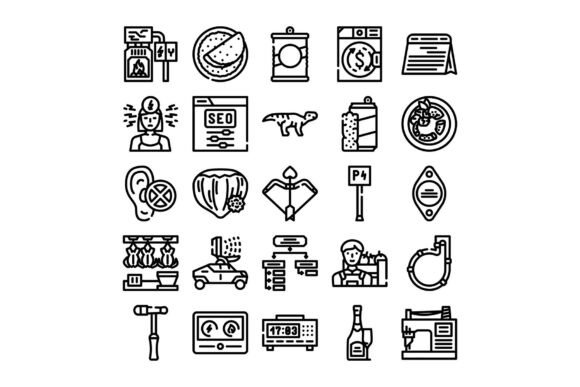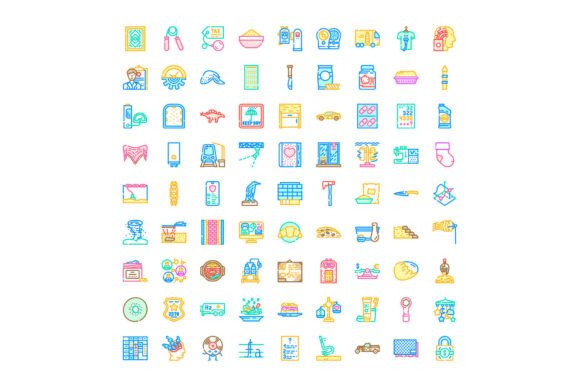
Flat Line Icons: Enhancing Modern Design with Versatile Visual Elements
Designers today face the ongoing challenge of creating visually engaging, communicative, and brand-aligned content across a wide range of platforms. Enter the Group of Flat Line Various Items Icons—a powerful toolkit that brings clarity, consistency, and creative flexibility to modern visual design. These minimalist, scalable icons offer a clean aesthetic that seamlessly integrates into branding, web interfaces, editorial layouts, and more, making them an essential asset for any designer or creative professional.
Why Flat Line Icons Matter in Visual Communication
Flat line icons are more than just a design trend—they're a functional solution for conveying complex ideas quickly and effectively. Their simplified, two-dimensional style removes visual clutter, allowing users to process information at a glance. Whether used in UI design, digital marketing, or print materials, these icons help establish a clear visual hierarchy and enhance the overall user experience.
The Group of Flat Line Various Items Icons stands out for its diversity and adaptability. It includes representations of everyday objects, abstract concepts, tools, and lifestyle elements, making it ideal for a broad spectrum of design applications—from app interfaces to brand collateral.
Applications Across Design Disciplines
These icons are incredibly versatile and can be applied across multiple design fields, including:
- Branding and logo design: Use icons as supporting elements in brand systems or as part of a larger visual identity package.
- Social media graphics: Enhance posts and stories with clean, recognizable symbols that reinforce messaging.
- Web and UI design: Improve navigation and interaction with intuitive, scalable icons that work across devices.
- Editorial and packaging design: Add visual interest and clarity to layouts, infographics, and product packaging.
Choosing and Using Icons Effectively
When selecting icons from the Group of Flat Line Various Items Icons, it's important to consider factors like consistency, scalability, and readability. Icons should align with your brand's visual language—matching in line weight, style, and color palette. Consistency ensures a polished look across all touchpoints, whether in digital marketing campaigns or print design materials.
Here are a few practical tips for integrating flat line icons into your design workflow:
- Evaluate visual harmony: Ensure icons complement existing typography and imagery.
- Test for scalability: Icons should remain clear and legible at different sizes, especially for responsive web design.
- Optimize for accessibility: Use color and contrast thoughtfully to accommodate all users.
Enhancing Brand Identity and User Experience
Icons play a crucial role in shaping brand identity and user experience. When used strategically, they can reinforce brand recognition, guide user behavior, and simplify complex information. For example, in UX design, well-placed icons can streamline navigation and reduce cognitive load. In advertising campaigns or presentations, they add visual impact and help audiences retain key messages.
Pairing these icons with the right typography and color scheme further elevates their effectiveness. A minimalist icon set works best with clean fonts and a balanced color palette that aligns with your brand's tone and personality.
Ultimately, the right creative assets—like the Group of Flat Line Various Items Icons—can make a significant difference in how your brand communicates and connects with its audience. Thoughtful design choices not only enhance aesthetics but also improve clarity, engagement, and overall design quality across all visual mediums.