Smart Human and AI Collaboration
Understanding the Power of Human-AI Synergy
In today’s fast-evolving digital landscape, the concept of Smart Human and AI Collaboration is reshaping how we approach strategy, creativity, and decision-making. This collaborative model isn’t about replacing human intelligence with artificial intelligence—it’s about enhancing human capabilities through intelligent tools. Whether you're a marketer analyzing campaign performance, a developer streamlining workflows, or a designer refining visual assets, the right AI integration can significantly boost productivity and innovation.
At its core, Smart Human and AI Collaboration combines the strategic thinking, creativity, and emotional intelligence of humans with the speed, accuracy, and scalability of AI. This partnership enables teams to tackle complex problems with more precision, automate repetitive tasks, and unlock new opportunities for growth and innovation.
Key Characteristics That Make the Difference
What sets Smart Human and AI Collaboration apart from traditional automation or basic AI tools? The answer lies in how these systems are designed to work alongside humans—not in isolation. Here are some defining traits:
- Contextual Awareness: Modern AI tools can interpret context, making them more effective in supporting nuanced tasks like content creation, customer service, and strategic planning.
- Adaptive Learning: Many AI systems now evolve based on user behavior, offering increasingly personalized and relevant insights over time.
- Seamless Integration: Designed for compatibility, these tools integrate smoothly into existing platforms and workflows, whether it's a CRM, design software, or analytics dashboard.
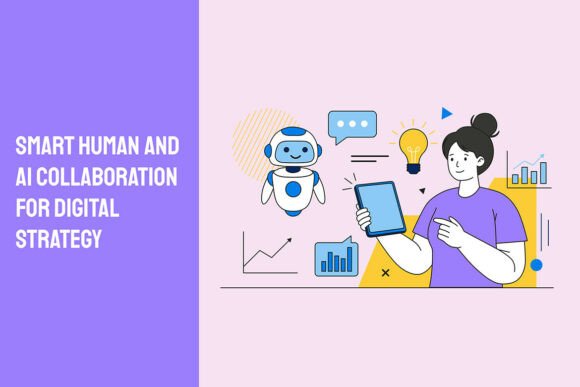
- Visual Clarity: Especially in digital strategy, visual representations of AI collaboration—like the Smart Human and AI Collaboration illustration—help communicate the synergy between people and technology in a clean, intuitive way.
Real-World Applications Across Industries
From startups to enterprise-level organizations, Smart Human and AI Collaboration is being applied in diverse ways. Here are a few practical examples:
- Marketing Strategy: Marketers use AI to analyze customer behavior and generate predictive insights, while human strategists interpret the data to craft compelling campaigns that resonate emotionally.
- Product Development: Designers and engineers collaborate with AI-powered tools to simulate product performance, optimize user interfaces, and even generate prototype variations based on user feedback.
- Content Creation: Writers and creators use AI to generate drafts, summarize research, or suggest content improvements, freeing them to focus on tone, storytelling, and brand voice.
- Customer Experience: Support teams leverage chatbots and AI assistants to handle routine inquiries, allowing human agents to focus on more complex, high-touch interactions.
- Education and Training: Instructors use AI to personalize learning paths, identify knowledge gaps, and provide real-time feedback, enhancing the overall learning experience without replacing the human mentorship aspect.
Why Visual Representation Matters
When communicating the value of Smart Human and AI Collaboration, especially in digital strategy, visuals play a critical role. The Smart Human and AI Collaboration illustration offers a modern, approachable way to depict this synergy. With its clean flat design, pastel tones, and intuitive layout, the image conveys professionalism while remaining accessible.
This type of visual is especially effective in:
- Business presentations to explain digital transformation initiatives
- Website banners and landing pages promoting AI-powered tools
- Blog headers and reports to illustrate thought leadership in AI and strategy
- Mobile apps and dashboards where clarity and user experience are key
Measurable Benefits of Smart Human and AI Collaboration
When implemented thoughtfully, Smart Human and AI Collaboration delivers a range of tangible benefits across different environments:
- Increased Efficiency: Automating repetitive tasks allows professionals to focus on higher-value work.
- Improved Decision-Making: AI provides data-driven insights that help humans make more informed choices.
- Enhanced Creativity: By handling routine tasks, AI frees up mental space for innovation and experimentation.
- Better User Experience: Tools that learn from user behavior can offer more intuitive and personalized experiences.
- Stronger Brand Identity: Using modern visuals like the Smart Human and AI Collaboration illustration reinforces a brand’s commitment to innovation and forward-thinking strategy.
Practical Considerations for Implementation
While the potential of Smart Human and AI Collaboration is clear, success depends on thoughtful implementation. Here are some key considerations:
- Choose the Right Tools: Not all AI solutions are created equal. Look for tools that align with your specific workflows, goals, and team capabilities.
- Focus on Integration: Ensure that any AI tool you adopt can integrate seamlessly with your existing systems and platforms.
- Invest in Training: Even the smartest AI is only as effective as the people using it. Provide training and support to help your team adapt.
- Maintain Ethical Standards: Be transparent about AI use, especially when it affects customer data, decision-making, or content creation.
- Evaluate Continuously: Monitor performance and user feedback to refine your approach and ensure long-term value.
Final Thoughts
Smart Human and AI Collaboration isn’t just a trend—it’s a fundamental shift in how we approach work, creativity, and strategy. Whether you're building a digital marketing campaign, developing a new product, or teaching the next generation of professionals, the right AI integration can make a meaningful difference.
And when it comes to showcasing this collaboration—especially in digital strategy—visuals like the Smart Human and AI Collaboration illustration offer a powerful way to communicate the future of work. Clean, modern, and professional, this style of visual content supports everything from branding to user engagement, making it a valuable asset for businesses and creators alike.