Enhancing Design Workflows with the Miscellaneous Isometric Icons Collection
Designing modern user interfaces requires a combination of clarity, consistency, and visual appeal. The Miscellaneous Isometric Icons Collection provides a versatile set of 3D symbols and objects that can be integrated into a wide range of digital projects. Whether you're building a web application, designing a marketing dashboard, or crafting an educational platform, this icon set offers a scalable and cohesive visual language that enhances both aesthetics and usability.
What Is the Miscellaneous Isometric Icons Collection?
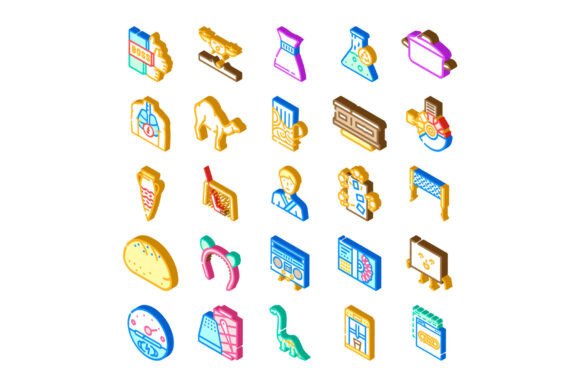
This collection is a curated set of isometric icons that represent a wide variety of concepts, tools, and actions. Unlike flat icons, isometric designs simulate a 3D perspective, giving interfaces a more dynamic and engaging appearance. The collection includes elements related to business, technology, education, and lifestyle—making it a go-to resource for designers working across different domains.
Each icon is crafted with attention to detail, ensuring that visual weight, perspective, and style remain consistent across the set. This uniformity helps maintain a professional look and feel, especially when integrating icons into complex interfaces or multi-page applications.
How to Use the Collection in Real-World Design Processes
Design projects often follow a structured process: discovery, planning, prototyping, development, and iteration. The Miscellaneous Isometric Icons Collection can play a role at multiple stages of this workflow.
Before the Project Begins
During the discovery and planning phases, having a visual reference of available icons can help shape the design direction. Designers can use the icon set to sketch early wireframes or mood boards, ensuring that key interface elements are represented from the outset.
For example, if you're designing a productivity app, browsing through the collection might reveal icons related to time management, file handling, or collaboration—helping you map out core features visually before diving into detailed mockups.
During the Design and Development Phase
Once the design process is underway, these icons can be placed directly into mockups and prototypes. Their isometric style adds depth and dimension, making interfaces feel more immersive without overwhelming the user.
- Use icons to represent navigation items, such as dashboard, settings, or user profile.
- Enhance feature descriptions with visual cues like cloud storage, video conferencing, or document sharing.
- Support onboarding flows with step-by-step illustrations using relevant icons.
Developers can also benefit from the collection's scalability and compatibility. Most icon sets are delivered in vector formats like SVG, which can be easily integrated into modern web and mobile frameworks without loss of quality.
After Launch and During Iteration
As products evolve, so do their visual elements. The Miscellaneous Isometric Icons Collection supports long-term design maintenance by offering a cohesive visual system that can grow with your product. When new features are added or existing ones are restructured, you can rely on the icon set to maintain visual consistency across updates.
Integration with Other Tools and Workflows
Design doesn't happen in isolation. The icon set works best when combined with other design systems, asset libraries, and development tools. Here's how it can fit into a broader toolkit:
- Figma, Sketch, Adobe XD: Import the icons directly into design files to build high-fidelity prototypes with consistent visual elements.
- React, Vue, Angular: Use SVG icons as components in front-end frameworks for reusable UI elements.
- Content Management Systems: Embed icons in marketing pages, dashboards, or admin panels to enhance readability and engagement.
- Design Systems: Incorporate the icons into a company-wide design system to ensure brand consistency across all digital properties.
By aligning the icon set with your existing design language, you create a more unified and recognizable interface that improves user experience over time.
Practical Tips for Using the Icon Set Effectively
To get the most out of the Miscellaneous Isometric Icons Collection, consider the following best practices:
- Organize icons by category: Group icons based on function (e.g., business, tech, lifestyle) to streamline the selection process during design.
- Use consistent sizing and spacing: Maintain visual harmony by applying uniform sizing and padding around icons, especially when used in buttons or cards.
- Optimize for performance: If using SVGs in production, ensure they are properly optimized to reduce file size and improve load times.
- Test for accessibility: Pair icons with text labels where necessary to ensure clarity for all users, including those relying on screen readers.
- Customize when needed: While the set is designed for consistency, minor adjustments to color or style can help icons blend better with your brand palette.
Real-World Use Cases Across Industries
The versatility of the icon set makes it applicable across a range of industries and use cases. Here are a few examples:
- Education Platforms: Use icons for course categories, progress tracking, and interactive lessons to make learning interfaces more engaging.
- E-commerce Dashboards: Represent analytics, order management, and customer support with intuitive isometric visuals that simplify complex data.
- Startup Websites: Enhance landing pages and feature sections with vibrant, dimensional icons that communicate value propositions clearly.
- Internal Tools: Improve usability of internal software by using recognizable icons for navigation, alerts, and status indicators.
These icons are not just decorative—they serve as functional elements that support user comprehension and streamline interaction.
Planning for Long-Term Design Consistency
One of the key benefits of the Miscellaneous Isometric Icons Collection is its ability to support long-term design scalability. As your product or platform grows, maintaining a consistent visual identity becomes more challenging. By anchoring your design system with a well-structured icon set, you reduce the risk of visual fragmentation and ensure that new features blend seamlessly with existing ones.
Consider creating a central icon library within your design tool or codebase. This allows team members to access and use icons efficiently, reducing duplication and enforcing design standards across projects.
Conclusion
Incorporating the Miscellaneous Isometric Icons Collection into your design process can significantly enhance both the visual appeal and functional clarity of your interfaces. Whether you're working on a small project or building a large-scale digital product, this icon set offers a practical and scalable solution for improving user experience.
By understanding how to integrate and manage these icons within your existing workflow, you can streamline design tasks, maintain consistency, and deliver polished interfaces that resonate with users across industries.