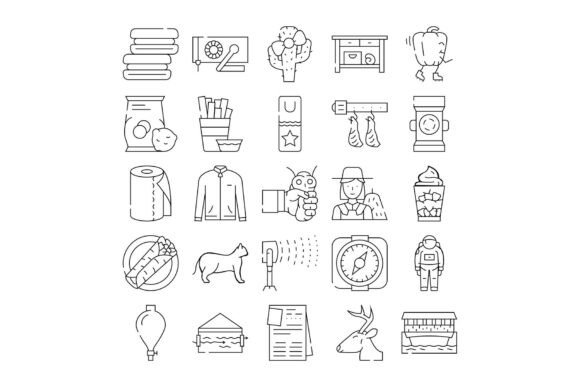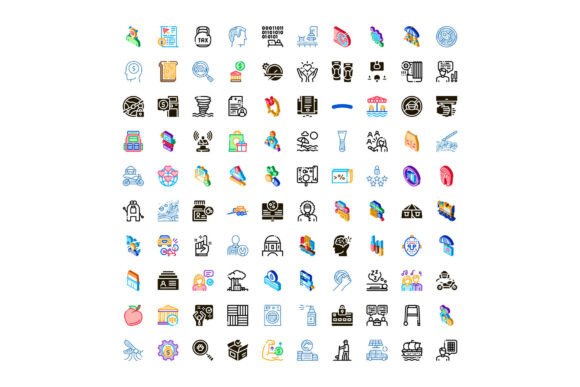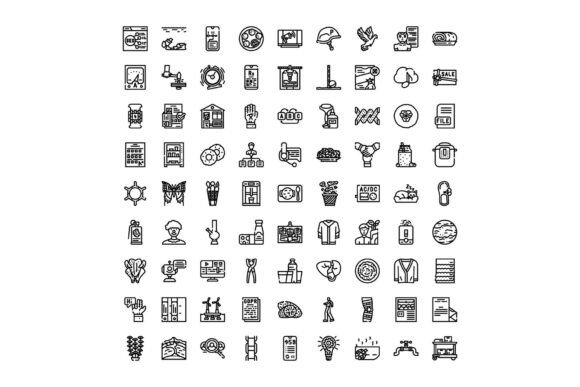
Diverse Application Features Mixed Web I: A Flexible Toolkit for Modern Web and Mobile Design
Designing effective web and mobile interfaces requires more than just visual appeal—it demands a thoughtful integration of features, intuitive navigation, and conceptual clarity. Diverse Application Features Mixed Web I offers a comprehensive collection of design elements tailored for developers, UI/UX professionals, and product teams looking to build adaptable and user-friendly digital experiences.
This resource brings together a broad spectrum of application features, user interface components, and conceptual symbols that support a wide range of services and activities. Whether you're building a productivity app, an e-commerce platform, or a data visualization dashboard, Mixed Web I provides a modular approach that can be customized to fit different project needs.
What Sets Diverse Application Features Mixed Web I Apart
Unlike rigid design systems or overly abstract icon sets, Mixed Web I emphasizes flexibility and practicality. It offers a curated mix of interface elements—buttons, navigation bars, form controls, modals, and more—paired with conceptual symbols that represent abstract ideas like synchronization, analytics, or user roles. This combination makes it especially useful for applications that need to communicate complex functionality in a visually coherent way.
One of its standout features is the balance between consistency and customization. While many design kits enforce a strict visual language, Mixed Web I allows developers to mix and match components without sacrificing usability. This makes it ideal for teams that want to maintain brand identity while still leveraging pre-built, tested interface patterns.
How It Compares to Similar Resources
In the landscape of UI design tools and icon libraries, several alternatives exist, from open-source icon sets like FontAwesome to comprehensive design systems like Material UI or Bootstrap. However, Mixed Web I differentiates itself by focusing on hybrid use cases where both functional interface elements and abstract concept icons are needed in equal measure.
- FontAwesome offers a large library of icons but lacks the depth of UI components needed for full application design.
- Material UI provides robust components but enforces a specific design language that may not align with every brand.
- Custom design systems offer full control but require significant time and resources to develop from scratch.
Mixed Web I sits between these extremes, offering a ready-to-use toolkit that supports customization without demanding full-scale system development.
Strengths and Limitations
Like any design resource, Diverse Application Features Mixed Web I has its strengths and tradeoffs. Understanding these can help teams determine whether it aligns with their specific project needs.
Strengths:
- Versatility: Combines UI components and conceptual symbols in a single package.
- Modular design: Allows selective use of elements without enforcing a full system.
- Cross-platform compatibility: Works well for both web and mobile applications.
- Scalability: Suitable for both small startups and enterprise-level applications.
Limitations:
- May require additional styling to match highly specific brand guidelines.
- Not as opinionated as some design systems, which can be a drawback for teams seeking strong visual direction.
- Learning curve for integrating and customizing components across different frameworks.
Best Fit Scenarios
Teams that benefit most from Diverse Application Features Mixed Web I are those seeking a middle ground between off-the-shelf design systems and fully custom interfaces. It's particularly useful when:
- Developing applications that require both functional UI elements and symbolic representations of abstract concepts.
- Working on cross-platform projects where consistency across web and mobile is essential.
- Needing a scalable solution that can grow with the application without requiring a complete redesign.
For example, a fintech startup building a mobile budgeting app might use Mixed Web I to quickly assemble transaction screens, account dashboards, and educational content interfaces—without having to create every icon or component from scratch.
When Another Option Might Be Better
While Mixed Web I offers broad utility, it may not be the best choice in every scenario. Teams with very specific design requirements or those that need a highly opinionated system may find it more efficient to adopt a more prescriptive design framework or invest in a custom solution.
Additionally, projects with limited development resources may benefit more from a plug-and-play system like Bootstrap or Tailwind CSS, which provide pre-styled components that can be implemented with minimal customization.
Practical Implementation and Integration
One of the key advantages of Diverse Application Features Mixed Web I is its adaptability across different development environments. Whether a team is working with React, Vue, Angular, or native HTML/CSS, the components and symbols can be integrated with relative ease.
For example, a developer using React might import individual UI components as needed, applying custom styles to match brand guidelines. Meanwhile, a mobile team using Flutter or SwiftUI can map the conceptual symbols to native icons and adapt the layout patterns for touch-based interfaces.
This flexibility extends to design tools as well. Designers using Figma or Sketch can access the symbol library to prototype interfaces quickly, ensuring alignment between design and development assets.
Making the Right Choice
Choosing the right design toolkit or icon set is more than a technical decision—it's a strategic one that affects both development speed and user experience. Diverse Application Features Mixed Web I offers a compelling middle ground for teams that need flexibility without sacrificing structure.
By evaluating your project's scope, design needs, and long-term scalability, you can determine whether Mixed Web I fits your goals. If your application requires a mix of interface controls and conceptual visuals, and you value adaptability over rigid design systems, it’s worth exploring further.
Ultimately, the best design resource is the one that supports your team’s workflow, aligns with your brand, and enhances the user experience—without unnecessary overhead. Diverse Application Features Mixed Web I offers a balanced, practical approach that can help teams achieve those goals efficiently.