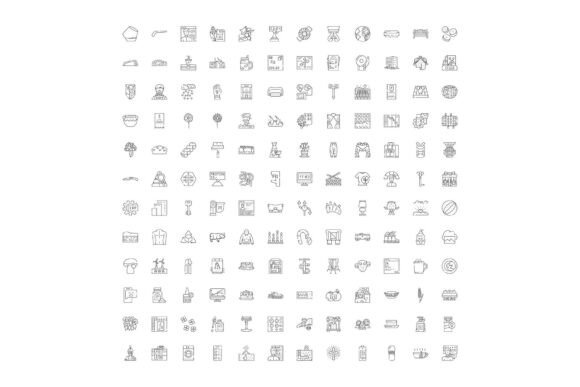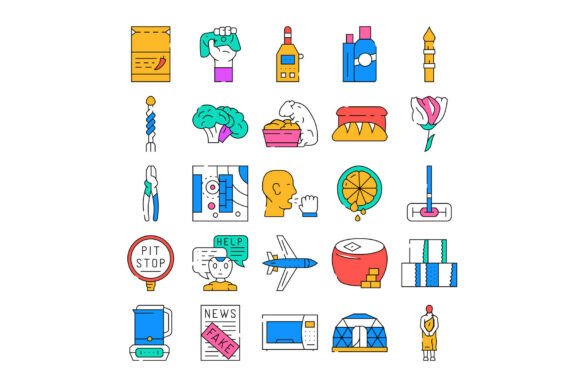
Collection of Icons Representing Various: Choosing and Using Icon Sets the Right Way
When it comes to modern web and mobile design, visuals play a crucial role in user experience. A well-designed Collection of Icons Representing Various can streamline communication, enhance aesthetics, and improve functionality. These linear color icon sets span a wide range of themes — from technology and health to nature and food — making them versatile assets for designers, developers, and content creators alike.
However, many people overlook the importance of selecting and using such icon sets correctly. Whether you're building a website, designing an app, or crafting marketing materials, the wrong choices can lead to cluttered visuals, inconsistent branding, or even user confusion. Let's explore common pitfalls and how to avoid them.
Mistake 1: Overlooking Licensing and Usage Rights
One of the most common issues people face with a Collection of Icons Representing Various is misunderstanding the licensing terms. It's easy to assume that because an icon set is available for download, it's free to use in any context. But this isn't always the case.
Some icon sets are limited to personal use, while others require a commercial license for business applications. Failing to comply can lead to legal issues, especially if your project gains visibility or is monetized.
- Always check the license type before downloading or purchasing.
- Verify whether the license covers web, mobile, print, or embedded use.
- Keep a record of purchased licenses for future reference.
For example, imagine launching a mobile app using an icon set from a stock site, only to receive a cease-and-desist letter later. To avoid this, invest in well-documented icon sets from reputable sources that clearly outline usage permissions.
Mistake 2: Ignoring Visual Consistency Across the Set
Icon sets that look great individually may not work well together if they lack visual harmony. A Collection of Icons Representing Various should maintain consistent stroke weight, color palette, and style across all icons. Otherwise, your design may appear disjointed or unprofessional.
This is especially important in UI/UX design, where consistency helps users understand visual cues without confusion.
- Preview multiple icons from the set before committing.
- Check if the set includes icons for all your required categories — like travel, home, and health.
- Avoid mixing icon styles unless intentionally done for a specific design purpose.
A better approach is to test the icon set in a mock layout or prototype. This helps you see how well the icons integrate with your overall design system and color scheme.
Mistake 3: Underestimating Scalability and Responsiveness
Icons are often used across different screen sizes and resolutions, especially in responsive web and mobile design. Vector-based icons (like SVGs) are ideal because they scale without losing quality. However, some icon sets may only be available in raster formats like PNG, which can pixelate when enlarged.
Choosing a Collection of Icons Representing Various that lacks scalable formats can lead to blurry visuals on high-resolution displays or during print production.
- Opt for vector-based icon sets whenever possible.
- Check if the set includes multiple file formats (SVG, PNG, EPS, etc.).
- Ensure icons maintain clarity at different sizes, especially for small UI elements.
For instance, using a low-resolution icon in a mobile app might look fine on a standard screen but appear blurry on a newer device with a high DPI display. Always test icons across different devices and screen sizes to ensure optimal visibility.
Mistake 4: Not Considering Accessibility and Clarity
Icons are meant to enhance communication, not hinder it. Yet, many designers choose abstract or overly stylized icons that users don’t immediately understand. A Collection of Icons Representing Various should prioritize clarity, especially for critical functions like navigation, alerts, or actions.
Icons that are too ambiguous can confuse users, especially those unfamiliar with your industry or platform. This is particularly relevant for international audiences or users with cognitive disabilities.
- Prioritize universally recognized symbols for core functions.
- Pair icons with text labels when context might be unclear.
- Test icon recognition with real users during the design phase.
Imagine using a stylized "settings" icon that looks more like a flower. Users may not realize it's a control panel until they click it — not the best user experience. Opt for clear, recognizable shapes, especially for essential UI components.
Mistake 5: Buying Too Many Sets and Creating Chaos
It's tempting to collect multiple icon sets for different projects. But over time, this can lead to disorganization and inconsistent branding. Each Collection of Icons Representing Various has its own style, and mixing too many can make your designs look mismatched.
This is especially problematic for brands that want a unified visual identity across websites, apps, and marketing materials.
- Choose one or two primary icon sets that align with your brand style.
- Use a design system or asset library to manage icon usage consistently.
- Archive or remove unused icon sets to avoid confusion.
For example, a small business owner might download several icon sets for different campaigns. Without a system in place, each new project ends up looking like it belongs to a different brand. Stick to a curated selection for visual continuity.
What to Check Before Downloading or Purchasing
Before you commit to a Collection of Icons Representing Various, consider the following checklist:
- Licensing: Is it suitable for your intended use?
- File Formats: Does it include vector and raster versions?
- Style Consistency: Do all icons share a similar design language?
- Icon Coverage: Does it include symbols for all the categories you need — like travel, health, tech, and food?
- Support and Updates: Is the set actively maintained or updated by the creator?
By evaluating these factors upfront, you’ll save time and avoid headaches later. Think of it like choosing a font: the right one enhances your design, while the wrong one distracts or confuses.
Conclusion: Make Smart Choices with Icon Sets
A well-chosen Collection of Icons Representing Various can elevate your design and improve user interaction. But it’s not just about picking the prettiest icons — it's about understanding your needs, checking the details, and avoiding common mistakes that can undermine your work.
Whether you're a beginner or a seasoned professional, taking the time to evaluate and use icon sets wisely will lead to better results, fewer frustrations, and a more polished final product. Keep these tips in mind, and you’ll be on your way to creating clean, effective, and visually engaging designs.