Collection of Business and Service Glyph: A Visual Toolkit for Modern Design
What Is the Collection of Business and Service Glyph?
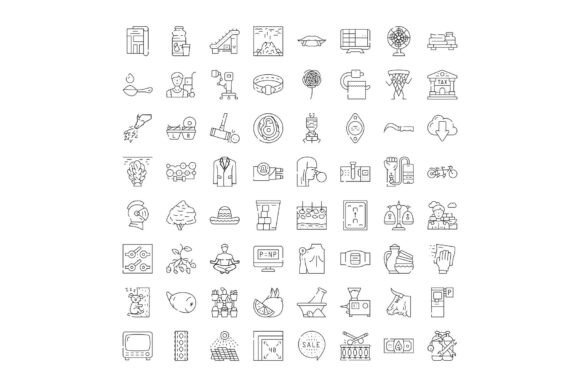
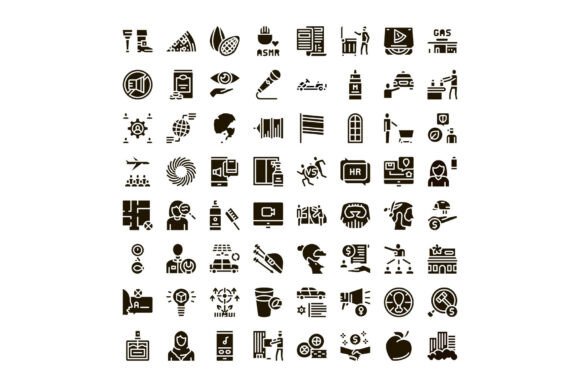
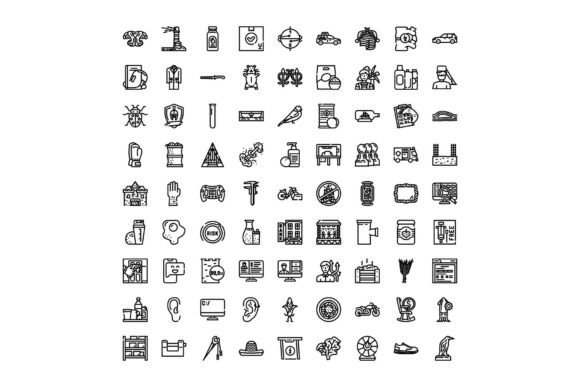
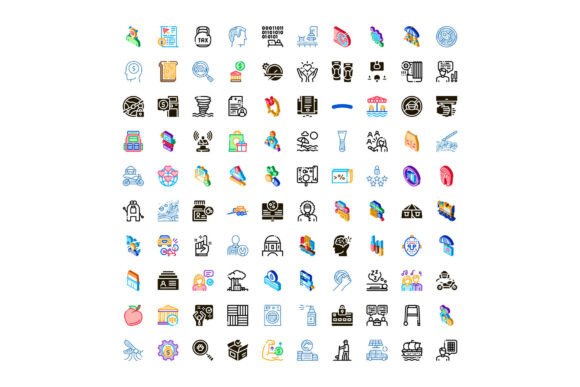
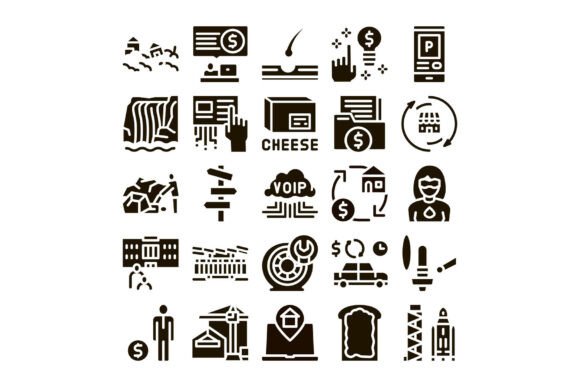
The Collection of Business and Service Glyph is a curated set of iconography designed to represent a wide range of professional and service-oriented concepts. These glyphs cover everything from finance and technology to travel and customer service, making them an essential visual resource for designers working on websites, mobile apps, dashboards, or any interface that communicates business-related functions.
Unlike generic icon sets, this collection is thoughtfully organized to reflect modern industry standards, offering a consistent visual language that's both intuitive and scalable. Whether you're designing a SaaS platform or a corporate landing page, these glyphs help simplify complex ideas into recognizable visuals.
Real-World Applications Across Industries
Designers and developers aren’t the only ones who benefit from the Collection of Business and Service Glyph. Here’s how various professionals and industries use them in practical ways:
- Startups and Entrepreneurs: Use these icons to visually represent core business functions on pitch decks, dashboards, and investor-facing materials. For example, a fintech startup might use the “transaction” glyph to illustrate a payment flow in a prototype.
- UX/UI Designers: Incorporate glyphs into app navigation, feature highlights, or service categories to improve usability and reduce cognitive load. A service-based app could use the “customer support” glyph to clearly label a help section.
- Marketing Teams: Infographics, landing pages, and product comparison charts often rely on these glyphs to break down complex offerings into digestible visuals. A telecom provider might use the “network” or “signal” glyph to illustrate connectivity features.
- Travel Platforms: The travel-related glyphs in the collection are ideal for booking apps, itinerary planners, and concierge services. A hotel booking site might use the “flight,” “car rental,” and “hotel” glyphs to guide users through a multi-step reservation process.
Who Benefits Most from This Collection?
While the Collection of Business and Service Glyph was designed with developers and designers in mind, its utility extends far beyond technical roles:
- Small Business Owners: Can use these glyphs to enhance their websites or promotional materials without needing a professional designer. A local accounting firm might use the “budget” or “invoice” glyph to visually categorize services on their homepage.
- Freelancers: Especially those offering digital services like SEO, web development, or branding, often use these icons to create polished portfolios and client proposals.
- Corporate Trainers: Use the collection in presentations and e-learning modules to illustrate business processes, team roles, and service workflows.
- Product Managers: Can integrate glyphs into product roadmaps, user flows, and feature documentation to make complex systems more approachable.
Choosing the Right Glyphs for Your Project
When selecting icons from the Collection of Business and Service Glyph, it's important to consider both aesthetics and clarity. Here are some practical tips:
- Match the Visual Tone: If your brand uses a minimalist design style, opt for line-based glyphs. If your interface is more vibrant or playful, solid icons might be a better fit.
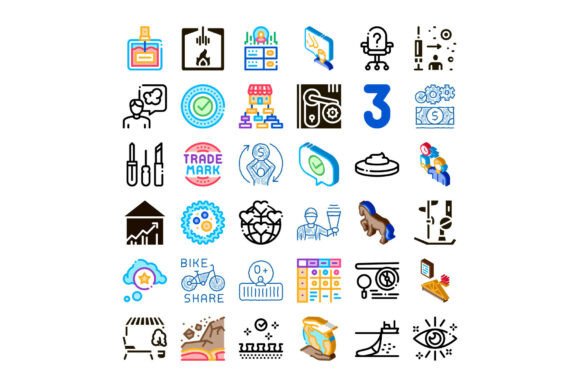
- Use Consistently: Stick to one style (e.g., flat, outline, or color) throughout your project to maintain a cohesive look and feel.
- Test for Recognition: Not all glyphs are universally understood. Test icons like "cloud computing" or "blockchain" with real users to ensure they're interpreted correctly.
- Consider Accessibility: Make sure the glyphs have sufficient contrast and can be understood by users with visual impairments. Some icons may need accompanying text for clarity.
When to Avoid Using Business and Service Glyphs
While versatile, the Collection of Business and Service Glyph isn’t always the best choice. Here are some situations where you might want to think twice:
- Highly Niche Industries: If your business operates in a very specialized field—like quantum computing or aerospace engineering—some icons may not accurately reflect your offerings.
- International Audiences: While many glyphs are culturally neutral, some symbols may be interpreted differently across regions. Always test with diverse user groups when designing for global use.
- Legal or Medical Contexts: In fields where precision and clarity are critical, relying solely on icons can be risky. Always pair them with clear text explanations in sensitive environments.
Why This Collection Stands Out
What makes the Collection of Business and Service Glyph particularly valuable is its balance of breadth and specificity. It includes icons for broad categories like “marketing” or “logistics,” but also offers more detailed options like “smart contract,” “e-commerce checkout,” or “remote team collaboration.”
Additionally, because it’s designed for scalability, these glyphs work well across different screen sizes and resolutions—from mobile apps to large dashboard displays. They’re also often available in multiple formats (SVG, PNG, etc.), making them easy to integrate into various design tools and codebases.
How to Get Started
If you're new to using this collection, start by identifying the core functions or services you need to represent. Then, browse the glyphs by category—finance, technology, travel, customer service, etc.—to find the best visual match.
Many platforms offer preview tools or downloadable samples, so you can test how the glyphs look in your actual interface before committing. Some design systems even include pre-built UI kits that integrate these glyphs seamlessly with buttons, cards, and navigation bars.
Don’t forget to check licensing terms, especially if you're using the glyphs in commercial products. Some collections are free for personal use but require a license for enterprise applications.
Final Thoughts
The Collection of Business and Service Glyph is more than just a set of icons—it’s a communication tool that helps users understand complex systems at a glance. Whether you're building a mobile app, redesigning a website, or crafting a presentation, these glyphs can make your content more engaging, intuitive, and visually cohesive.